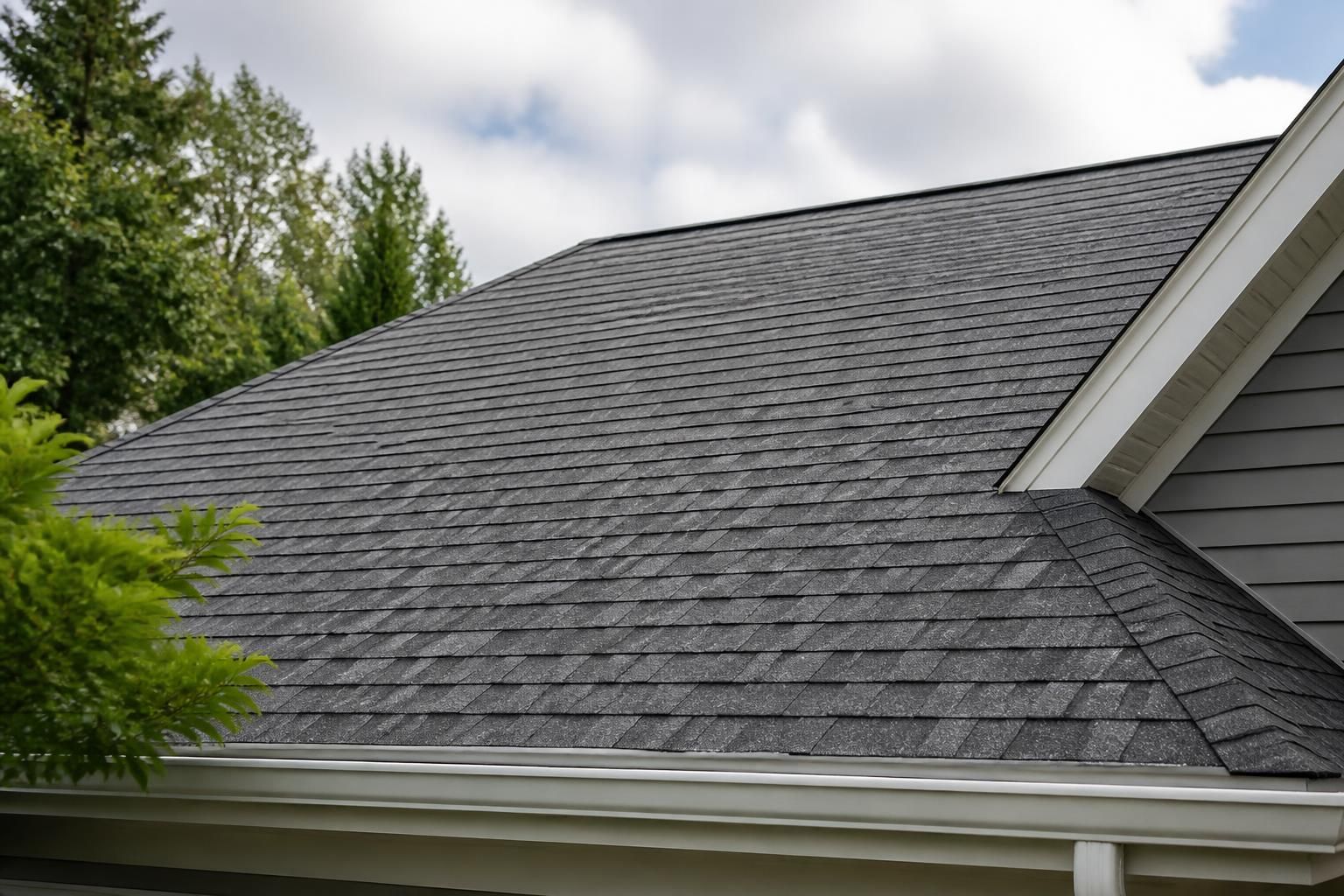
If your roof started leaking after a storm, if shingles are missing, or if you noticed debris piled up along the edges, the damage may be bigger than it looks from the ground. Even small trouble spots can let water move under the roofing layers and spread to other parts of the home.
Lynchburg Roofing Contractors helps property owners across Lynchburg, VA respond to storm damage with clear inspections, practical repair options, and careful workmanship. If you are seeing lifted shingles, bruised roofing materials, flashing that looks out of place, or interior stains after bad weather, the next step is a thorough roof check before the problem grows.
Some storm damage is obvious, while other issues stay hidden until a leak shows up inside. After heavy wind, hail, or driving rain, it is worth checking the roof from the ground and looking for changes that were not there before.
If any of these signs show up, the roof should be evaluated soon. Water travels far once it gets inside, and the visible stain often starts well away from the true entry point.
Storm damage is not always a single broken spot. Wind can loosen shingles at one edge, rain can work into gaps, and repeated wetting can weaken decking, insulation, and drywall. What starts as a small roofing defect may become a larger repair if it is left alone.
Strong wind can raise shingles just enough to break their seal. Once that happens, rain can move under the surface layer and reach areas that are not meant to stay wet.
Branches, flying debris, and hail can bruise roofing materials, crack sealants, or shift flashing. Even if the roof still looks mostly intact, those impact points can create future leaks.
When water enters through one weak point, it may follow rafters, seams, or framing before it shows up inside. That makes early repair important, especially after a major storm.
Lynchburg Roofing Contractors starts with a complete roof inspection focused on storm-related damage, the source of leaks, and the condition of the surrounding materials. We look beyond the surface so repairs address the actual problem rather than the most visible symptom.
This approach helps keep repair work focused and practical. Instead of covering up visible trouble, we look for the storm’s full effect on the roof system.
Storms can affect different roof components at the same time. A repair may involve one section or several small fixes spread across the roof.
Depending on the roof type and the extent of the storm damage, repairs may also involve sections of flat roofing or metal roofing. The goal is to restore the damaged area without creating mismatched fixes that do not hold up.
Not every roof reacts to storm damage the same way. The material, slope, and fastening system all affect how the damage appears and how it should be repaired.
Shingle roofs often show storm damage through missing tabs, lifted corners, surface wear, and areas where seal strips have broken apart. Repairs usually focus on replacing damaged sections and tightening weak points before leaks expand.
Metal roofing can hold up well to harsh weather, but dents, loosened fasteners, and disturbed seams still need attention. A careful repair keeps the affected section secure without disturbing healthy panels.
Flat roofing may be affected by punctures, membrane separation, or water entry around seams and edges. These repairs require close attention to the damaged spot and the surrounding surface so water does not keep finding the same path.
Once the weather clears, many homeowners want to know what to do first. Taking a few careful steps can help limit further damage before the roof is repaired.
Those simple steps can make it easier to understand what the storm affected and how quickly the repair should move forward.
Storm damage rarely stays the same. A small opening can let in repeated moisture, and repeated moisture can affect more than the roof surface. The longer damaged areas remain open, the more likely you are to see staining, wood deterioration, insulation problems, or a larger repair scope.
Acting soon also helps protect the parts of the roof around the damaged section. Nearby shingles, flashing, and sealants may still be holding, but they can start failing if water keeps reaching them. A focused repair now can prevent a wider project later.
When storm damage affects a roof in Lynchburg, VA, you want the problem looked at by a company that understands how to repair the roof you already have, not just patch over what is visible. Lynchburg Roofing Contractors works with homeowners and businesses throughout the area and nearby communities, including Madison Heights, Amherst, Forest, Rustburg, Altavista, Appomattox, Bedford, and Brookneal.
We keep the process straightforward: inspect the damage, explain the findings, and complete the needed repair with attention to detail. If the roof has taken a hit from recent weather, reaching out early is the smartest way to protect the structure below.
Storm damage often appears suddenly after a weather event and may include missing shingles, lifted edges, impact marks, or fresh water stains. Normal wear usually develops more gradually over time.
It is a good idea to have the roof reviewed after strong wind, heavy rain, or visible debris activity. Some damage is easy to miss from the ground.
Yes. Even a small lifted shingle or damaged flashing area can let water reach the layers below the roof surface.
That still matters. A single damaged section can spread water to nearby areas, so a targeted repair should address both the visible spot and the surrounding materials.
No. Roof damage can exist for a while before interior signs appear. By the time stains show up, water may have already moved beyond the entry point.
As soon as practical after the storm, especially if you see missing materials, debris, or any sign of water inside. Early inspection gives you a clearer picture of what needs attention.
To schedule storm damage repair for your roof in Lynchburg, VA, contact Lynchburg Roofing Contractors at (434) 448-2921 or email info@lynchburgroofingcontractors.com. We are available Monday through Friday from 8:00 to 20:00 and ready to help you take the next step after the storm.
Get Started
Tell us about your roof, the issue you're seeing, or the project you want to plan. We will help you understand the next step and what service makes the most sense for your property.