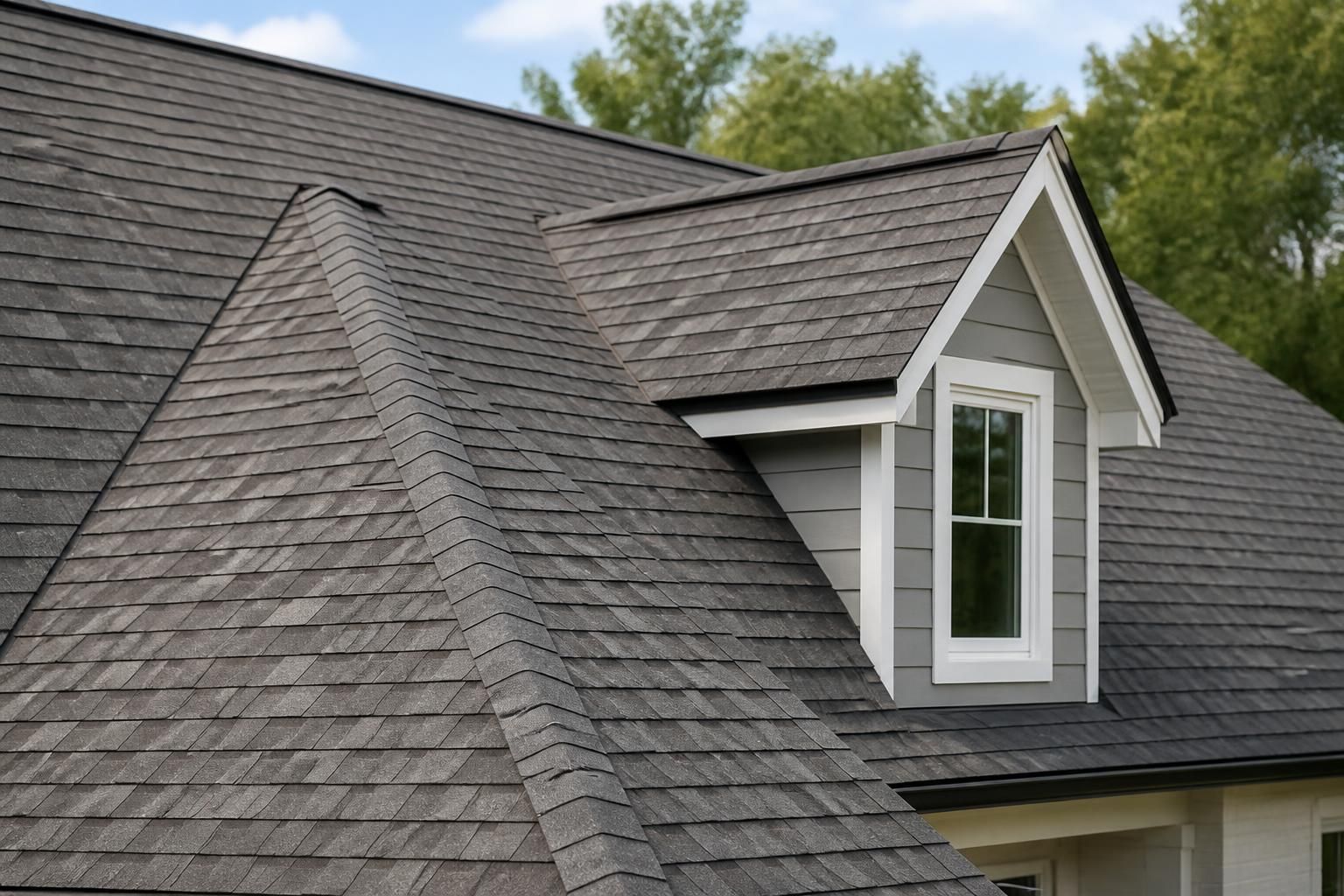
Missing shingles, curling edges, dark streaks, or a leak after a hard rain can all point to roofing trouble that should not wait. If your roof is shedding granules, letting water through, or looking worn across more than one section, a shingle roofing contractor can help you figure out what needs attention before the damage spreads.
For homeowners and property managers across Lynchburg, VA, Lynchburg Roofing Contractors handles shingle roof repair, replacement, inspection, and storm damage repair with a clear plan from the start. We look at the roof as a whole, explain what we find, and help you decide whether a targeted repair or a full shingle replacement makes the most sense for the condition of your roof.
Asphalt shingles are built to take daily weather exposure, but they still wear down over time. Some problems show up slowly, while others appear after one rough storm or a long stretch of roof aging. Catching the signs early can help limit water intrusion and reduce the chance of widespread damage under the shingles.
Common warning signs include:
If you notice more than one of these signs, it is worth having the roof checked sooner rather than later. A roof can look acceptable from the ground while still hiding weak spots under the surface.
Not every shingle issue calls for a full replacement. Some roofs only need a few damaged areas addressed, while others have reached the point where patching one section would only delay the larger repair work. The right choice depends on the age of the roof, how much wear it shows, and whether the damage is isolated or widespread.
A small area of missing or broken shingles may be repaired without disturbing the rest of the roof.
If shingles are curling, cracking, or losing granules across a broad area, replacement may be the smarter path.
Repeated leaks often mean the roofing surface or underlayment has more than one weak point.
When wind or impact damage affects multiple slopes, the roof may need more than a spot fix.
Lynchburg Roofing Contractors reviews those conditions carefully so you can make a practical decision. We do not push one answer for every roof. Instead, we look at what the shingles are telling us and recommend the next step that fits the actual condition of the roof.
Shingle roof repair is often the right answer when the roof is still in good shape overall but has one or more trouble spots. Repairs can address missing tabs, lifted edges, damaged flashing near penetrations, or small leak sources that have not spread through the roof surface.
When handled early, repairs can stop water entry at a vulnerable spot and restore the roof’s protective layer without requiring major work across the whole system. That matters most when the rest of the roof still has useful life left.
Repairs cannot reverse widespread aging. If shingles are brittle across the roof, patching one area may not hold up for long. In those cases, replacement usually gives you a cleaner, more dependable result.
We inspect the shingles, look at the surrounding materials, and explain whether the damaged area stands alone or connects to a bigger concern. That keeps the repair focused and useful rather than temporary and uncertain.
When a shingle roof has reached the end of its service life or has too much damage to leave in place, replacement can solve several problems at once. A full replacement gives you a fresh surface, a new start on wear, and a better chance to avoid recurring leak points from old materials.
Our replacement process is straightforward and organized:
We inspect the roof and identify the areas that show age, damage, or leakage.
We help you choose shingle materials that suit the home and the scope of the project.
Old shingles are removed where needed so the roof deck can be assessed.
The new roofing surface is installed with attention to alignment, coverage, and seam placement.
We check the finished roof and confirm that the work matches the plan.
Shingle replacement is not only about appearance. It also gives the roof a chance to shed water more reliably and handle day-to-day exposure with fewer weak points from aging materials.
Homeowners often want shingles that match the house, but appearance is only part of the decision. Roof shape, slope, budget, and long-term wear all matter when choosing the right product for a new installation or replacement.
These are a common choice for homeowners who want a more dimensional look and a heavier profile than basic three-tab shingles. They can give the roof a fuller appearance and are often selected for replacement projects.
Three-tab shingles offer a simpler, flatter look. They remain a practical option for some roof designs and replacement needs, especially when a homeowner wants a straightforward surface finish.
For repair work, matching the surrounding shingles matters. Color and texture differences can stand out once the repair is done, so we take care to blend the replacement area as neatly as possible with the rest of the roof.
After strong weather, a shingle roof may show damage that is easy to miss from the ground. Not every affected roof has missing shingles. Sometimes the damage shows up as lifted edges, loosened tabs, or subtle wear that later becomes a leak.
Look for these changes after a storm:
A careful roof inspection can reveal whether the roof needs a minor repair or a broader shingle replacement. Lynchburg Roofing Contractors also handles storm damage repair for roofs that took a beating and need a closer look before the next round of rain.
A roof inspection gives you a clearer picture of what is happening above the ceiling line. It is especially useful before a replacement project, after visible damage, or when you want a straightforward answer about the roof’s condition.
During a shingle roof inspection, we typically look at:
If the roof is still serviceable, we will say so. If it needs repair or replacement, we explain why. That kind of direct feedback helps you plan the next step without guesswork.
Homes across Lynchburg, VA need roofing that can handle constant exposure without demanding attention every season. A shingle roof that has been installed well and maintained with care can do that job for years, but it still benefits from occasional checks and prompt attention when damage appears.
Good roof care usually means responding quickly to small changes. A lifted shingle today can become a leak later. A few missing tabs can become a larger patch of exposed roofing material. Taking action early keeps the repair scope smaller and helps protect the structure below.
When you work with Lynchburg Roofing Contractors, you get a local shingle roofing service that focuses on the condition of the roof you actually have. We make the process clear, keep the work practical, and help you move from concern to solution without extra confusion.
Look for curling, cracking, bald spots, repeated leaks, or shingles that appear brittle and uneven across the roof surface.
Yes, if the damage is limited and the surrounding shingles are still sound, a targeted repair may be a good fit.
That depends on the material, roof design, installation quality, and how much weather exposure the roof has taken over time.
Yes, a new shingle roof often changes the home’s appearance noticeably, especially if the old roof had fading or patchwork repairs.
Have the roof checked soon, since missing shingles can leave the underlayers exposed and create a path for water entry.
Yes, we review the roof first so you know what shape it is actually in and what work makes sense for it.
If your shingle roof is showing age, damage, or leak signs, Lynchburg Roofing Contractors can help you take the next step with confidence. Contact us at (434) 448-2921 or email info@lynchburgroofingcontractors.com to schedule a roof inspection or request service for your Lynchburg, VA property.
Get Started
Tell us about your roof, the issue you're seeing, or the project you want to plan. We will help you understand the next step and what service makes the most sense for your property.