If you have noticed a missing shingle, a ceiling stain, or a roof that just looks tired, a careful inspection should be next. Small signs can point to larger problems hiding under the surface, and waiting often means more damage to repair later.
When you want a clear answer about your roof’s condition, Lynchburg Roofing Contractors can take a close look and explain what we find. We inspect for visible damage, signs of wear, and trouble spots that may call for repair, replacement, or closer follow-up.
A roof inspection is more than a quick glance from the driveway. We look at the areas that protect your home day after day and the details that often reveal early damage before it spreads.
That kind of review helps you understand whether the roof needs a small fix, a larger repair, or a replacement plan.
Some roofs ask for attention long before a major failure. If you spot any of these, it is a good time to schedule a roof inspection in Lynchburg, VA.
If the roof has been through a storm, a detailed check can help you decide what needs attention now and what can be monitored.
Lynchburg Roofing Contractors keeps the process straightforward. We show up ready to inspect the roof carefully, then walk you through what we find without padding the report or burying you in jargon.
We begin with a visual review of the roof and the most exposed areas. This helps us identify obvious wear, storm impact, and any sections that need a closer look.
Next, we inspect the key points where leaks often begin. That includes transitions, edges, penetrations, and places where materials meet. These areas can tell a lot about how well the roof is holding up.
After the inspection, we share what we found and what it means for your home. If the roof is still sound, we say so. If there are concerns, we explain them plainly so you can make a smart decision.
Some homeowners wait until water appears inside the house, but a roof inspection often makes more sense before that point. It is a smart move after a storm, before buying or selling a home, and anytime the roof is showing age or wear.
You should also think about an inspection if you have noticed shingle loss, dark streaks, recurring ceiling stains, or roof areas that look uneven from the ground. Even a roof that appears fine may have hidden trouble after years of exposure.
For property owners in Lynchburg, VA, a regular inspection can help you plan ahead instead of reacting after damage gets worse.
Different roofing systems show wear in different ways. We inspect the roof type you already have and look for the signs that matter most for that material.
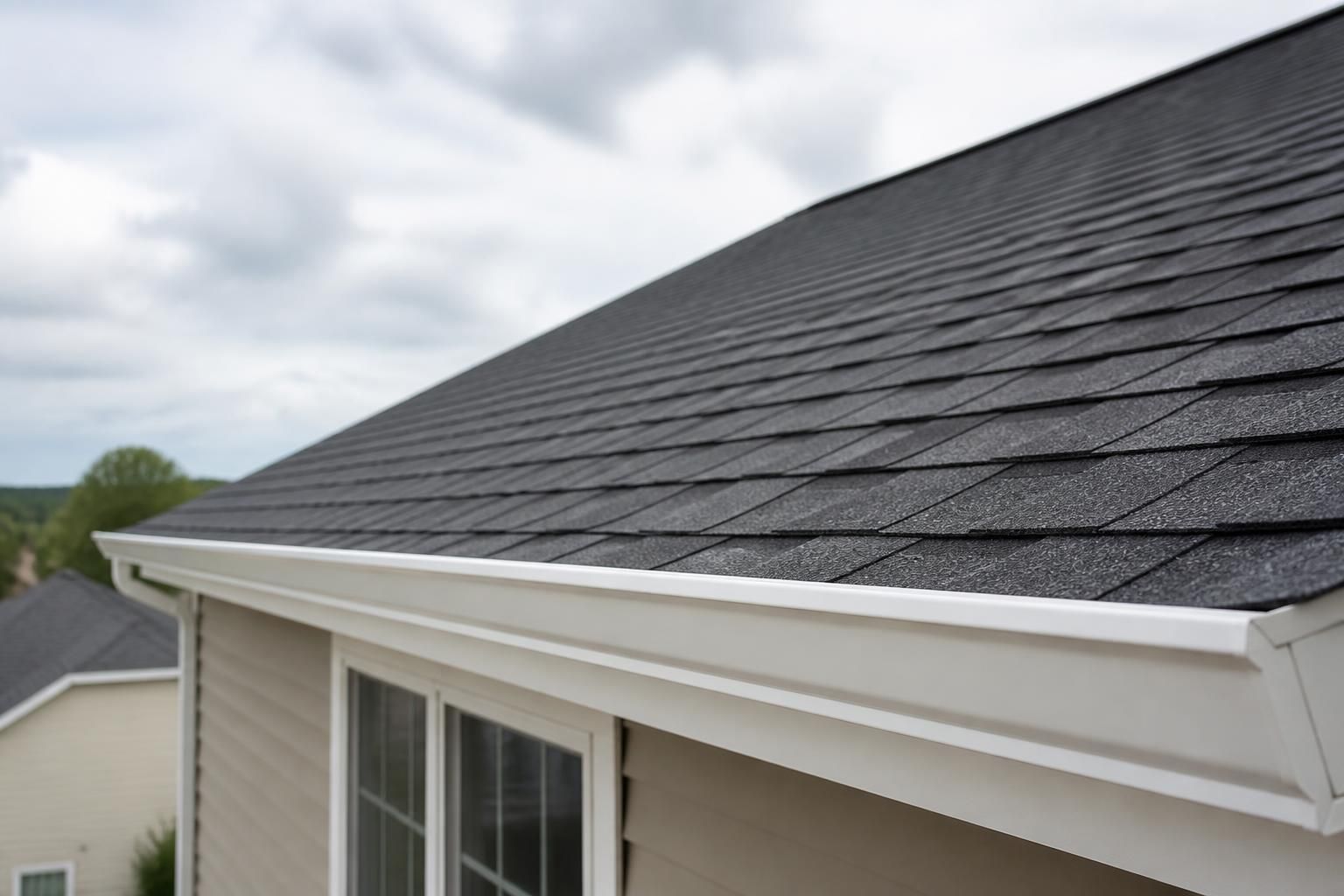
Shingle roofs are common on homes throughout the area, and we look for missing tabs, curling edges, granule loss, and weakened seams.
With metal roofs, we pay close attention to panels, fasteners, seams, and flashing details that may allow water to work its way through.
Flat roofs need careful attention to drainage, low spots, membrane condition, and areas where water may sit longer than it should.
A roof can look acceptable from below while still hiding damage on top. Catching problems early can help you avoid larger repairs, protect the structure beneath the roof, and make better decisions about timing.
Inspections are especially useful when you are trying to decide between repair and replacement. A clear assessment can show whether the roof still has useful life left or whether it has reached the point where patching no longer makes sense.
For many homeowners, the biggest value is peace of mind. You know what is happening above your head instead of guessing every time a stain appears or a storm passes through.
Lynchburg Roofing Contractors works with homeowners and businesses across Lynchburg, VA and nearby communities. Our roof inspection service is built for people who want straight answers, careful observation, and a practical next step.
We also serve Madison Heights, Amherst, Forest, Rustburg, Altavista, Appomattox, Bedford, and Brookneal. If you are comparing roofing options or trying to understand the condition of an older roof, we can help you get a clearer picture before making a decision.
When you are ready for a roof inspection, contact Lynchburg Roofing Contractors at (434) 448-2921 or email info@lynchburgroofingcontractors.com.
We look for visible wear, missing or damaged materials, flashing problems, signs of moisture intrusion, and other conditions that may affect the roof’s remaining life.
Yes. A post-storm inspection can help identify damage that may not be obvious from the ground, including lifted shingles, impact marks, or loosened flashing.
Yes, because some roof issues start quietly. By the time water reaches a ceiling, the damage may have already spread to other parts of the roof system.
The time depends on roof size, pitch, and what we find during the visit. We take the time needed to review the roof carefully and give you a clear summary.
Yes. We explain what we saw, what it may mean, and whether the roof appears to need repair, closer monitoring, or a replacement discussion.
Yes. An inspection can show how much usable life the roof may have left and help you decide whether to repair now or plan ahead for a future replacement.
Get Started
Tell us about your roof, the issue you're seeing, or the project you want to plan. We will help you understand the next step and what service makes the most sense for your property.